
Introduction
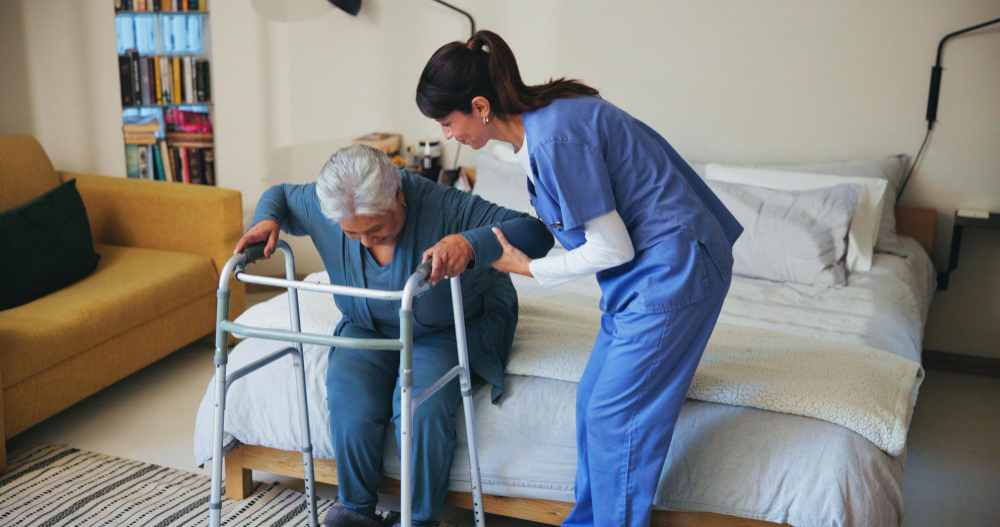
Many families choose a home visit for elderly patients when regular clinic trips become hard. This service brings a doctor or nurse right to the patient’s home. As a result, seniors get care in a familiar setting. Home visits are part of elderly home care services. They help seniors stay comfortable and safe. In many cities, in-home medical care for elderly people is growing. For example, some clinics in New York and Los Angeles now offer these visits. Home visits can include check-ups, medicine reviews, and more. According to the World Health Organization, home care helps older adults stay healthy at home.
Common Reasons for Home Visits in the Elderly
Doctors and nurses visit seniors at home for many reasons. Often, older adults have trouble traveling to a clinic. Sometimes, they have long-term health problems. In other cases, they may need help after leaving the hospital. For instance, a home visit for elderly patients may be needed for:
Additionally, some seniors need support with memory problems. Others may need help with breathing issues or pain control. Because needs can change, home care is flexible.
Benefits of Home Visits for Elderly Patients
Home visits offer many advantages for seniors and their families. First, they reduce the stress of travel. Also, seniors can stay in a place they know well. This often helps them feel more relaxed. Moreover, doctor home visit for seniors allows for personal attention. The doctor can see the patient’s living space. As a result, they can suggest ways to improve safety. Other benefits include:
Because care happens at home, it is easier to spot small changes in health. This can help prevent bigger problems later.
What to Expect During a Home Visit
During a home visit, a doctor or nurse will arrive at the scheduled time. Usually, they bring basic medical tools. For example, they may check blood pressure, heart rate, and breathing. They might ask about recent symptoms or changes in health. Sometimes, they review medications and make sure they are taken correctly. In addition, the doctor may look at the home for safety risks. If needed, they can suggest changes to prevent falls. After the exam, the doctor will talk about next steps. They may order tests or plan another visit. Because every patient is different, each visit is tailored to their needs.
How to Prepare for a Doctor’s Home Visit
Getting ready for a home visit helps things go smoothly. First, make a list of symptoms or questions. Next, gather all current medications, including vitamins and supplements. It is helpful to have a family member or caregiver present. Before the visit, clear a space for the doctor to work. Also, keep important medical records nearby. For example, recent test results or hospital papers can be useful. If the patient uses a walker or other aids, keep them close. Because preparation saves time, the visit can focus on care.
Safety and Quality Considerations
Safety is very important during home visits. Always check the identity of the visiting doctor or nurse. Most clinics will tell you the name and time of the visit in advance. In addition, make sure the home is well-lit and free of clutter. This helps prevent falls. The CDC suggests keeping walkways clear and using non-slip mats. For quality care, choose a provider with good reviews and proper training. Many elderly home care services are licensed and follow strict rules. Because trust matters, ask questions if you are unsure about any part of the visit.
Frequently Asked Questions About Home Visits for the Elderly
For more details, you can ask your local healthcare provider or visit the CDC and WHO websites.