
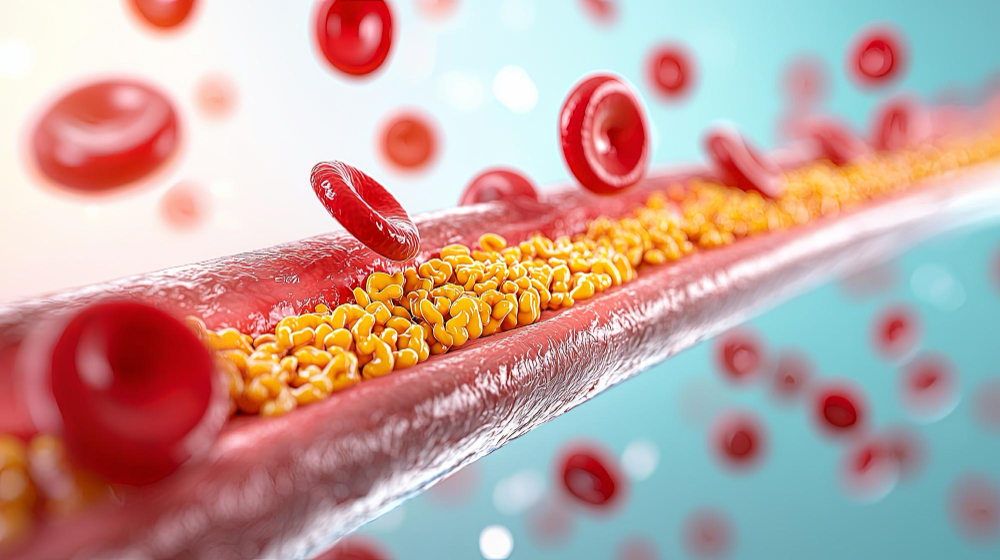
What is Dyslipidemia?
Dyslipidemia means you have unhealthy levels of fats in your blood. These fats include cholesterol and triglycerides. While your body needs some fats, too much can be harmful. For example, high cholesterol can raise your risk of heart disease. In many cities, dyslipidemia is a common health concern. The Centers for Disease Control and Prevention (CDC) notes that many adults have high cholesterol. Because of this, learning about dyslipidemia is important for everyone.
Common Symptoms of Dyslipidemia
Often, dyslipidemia does not cause any symptoms. In fact, most people feel fine and do not notice any changes. However, some people may develop signs over time. For instance, you might see yellow bumps on your skin, called xanthomas. These bumps are rare but can appear when fat levels are very high. Sometimes, if dyslipidemia leads to heart problems, you may feel chest pain or shortness of breath. Yet, these signs usually show up only after many years. Therefore, regular check-ups are important to find dyslipidemia early.
Causes and Risk Factors
Many things can cause dyslipidemia. Some people inherit it from their parents. This is called familial dyslipidemia. However, lifestyle choices also play a big role. For example, eating foods high in saturated fat can raise your cholesterol. In addition, lack of exercise and being overweight increase your risk. Certain health conditions, such as diabetes or thyroid problems, can also lead to dyslipidemia. Some medicines may affect your cholesterol levels as well. Age and family history are important risk factors too. Because of these reasons, knowing your risk can help you take action early.
How Dyslipidemia is Diagnosed
Doctors use a simple blood test to check for dyslipidemia. This test is often called a lipid panel. It measures your total cholesterol, LDL (bad cholesterol), HDL (good cholesterol), and triglycerides. Usually, you need to fast for several hours before the test. After the results come in, your doctor will explain what the numbers mean. If your cholesterol or triglycerides are too high, you may have dyslipidemia. Sometimes, doctors repeat the test to confirm the results. Because symptoms are rare, regular screening is the best way to catch dyslipidemia early.
Treatment Options for Dyslipidemia
Treatment for dyslipidemia depends on your risk and blood test results. Often, doctors suggest lifestyle changes first. For example, eating a healthy diet and getting more exercise can help. If these steps are not enough, medicine may be needed. Statins are the most common drugs for lowering cholesterol. Other medicines, such as fibrates or niacin, may also be used. Your doctor will choose the best treatment for you. In some cases, people need more than one type of medicine. Regular follow-up visits help track your progress and adjust your plan if needed.
Lifestyle Changes for Managing Dyslipidemia
Making healthy choices every day can help manage dyslipidemia. For instance, eating more fruits, vegetables, and whole grains is helpful. You should also limit foods high in saturated fat, such as fried foods and fatty meats. In addition, staying active is important. Try to get at least 30 minutes of exercise most days. If you smoke, quitting can improve your cholesterol. Limiting alcohol is also a good idea. Because small changes add up, even simple steps can make a big difference.
Tips for Prevention
Preventing dyslipidemia starts with healthy habits. First, get your cholesterol checked regularly, especially if you have risk factors. Next, follow a balanced diet and stay active. Because family history matters, talk to your doctor if relatives have high cholesterol. Avoid smoking and keep your weight in a healthy range. Finally, manage other health problems, like diabetes or high blood pressure, as these can affect your cholesterol. By taking these steps, you can lower your risk of dyslipidemia and protect your heart.